
Professional Lot Clearing Practices in Terrell, TX & Surrounding Areas
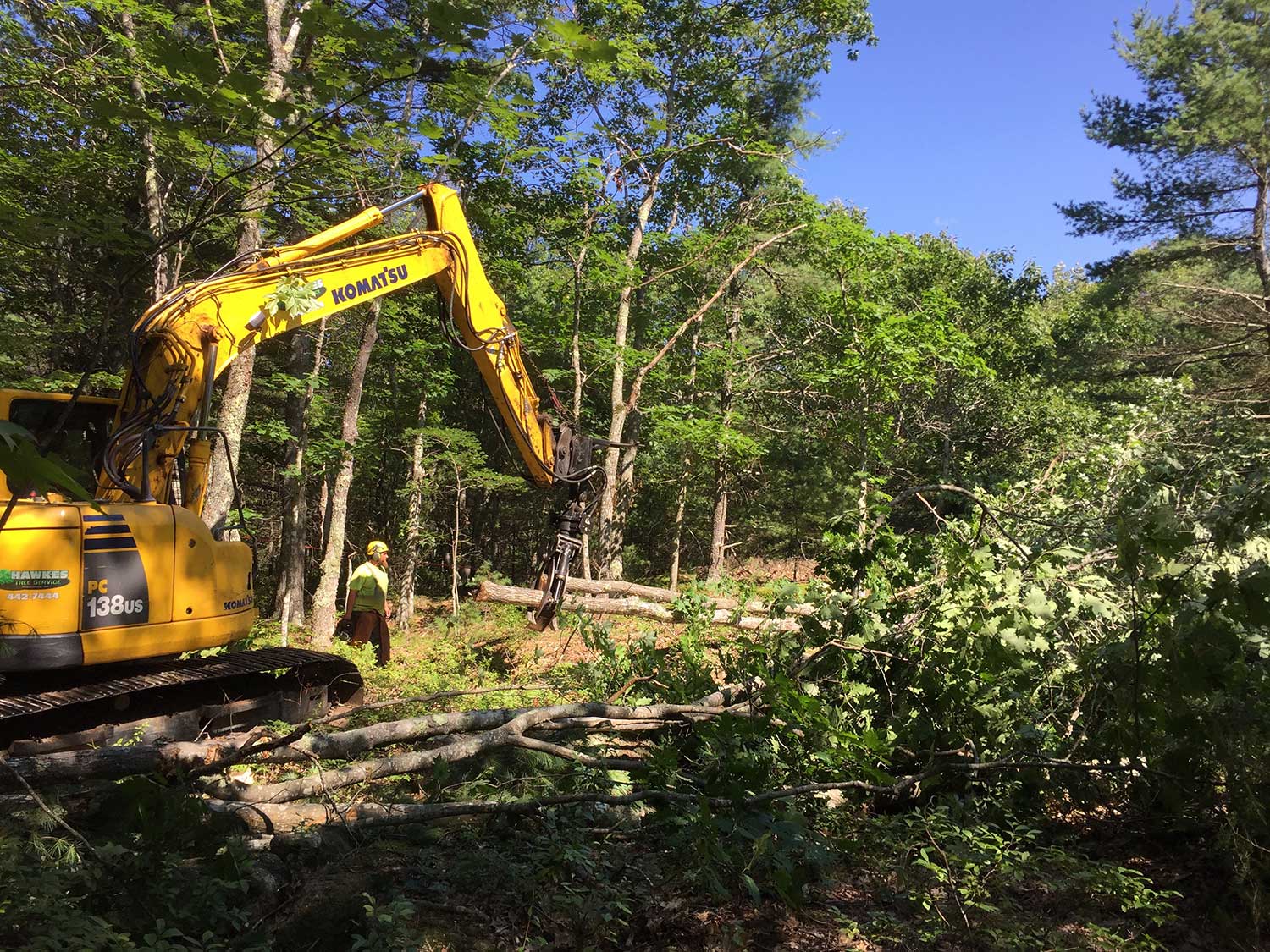
Professional lot clearing practices in Terrell, TX and surrounding areas help property owners prepare land safely and efficiently for construction, landscaping, or future development. Clearing land is more than just removing brush, because it requires planning, safe equipment operation, and careful handling of debris and vegetation. In Terrell, lot conditions can range from light overgrowth to heavily wooded areas, which makes professional methods important for clean and consistent results. Proper clearing improves access for equipment, supports drainage planning, and reduces hidden hazards such as stumps, uneven ground, or buried debris. Good clearing practices also help prevent erosion by protecting soil stability and managing runoff properly. Many property owners clear lots to create build-ready space and reduce delays once construction begins. Professional teams focus on clean site preparation so the next steps, such as grading, foundation work, or concrete installation, can be completed smoothly. Investing in professional lot clearing practices improves safety, reduces long-term costs, and creates a strong starting point for property improvement projects.
Why do professional lot clearing practices matter before starting any project?
Professional clearing ensures the land is prepared safely and correctly for the next stage of work. It helps remove hazards that could cause delays or accidents. Proper planning also supports smoother construction timelines. Many projects begin with Lot Clearing to create a clean and workable site.
What should be removed first during a lot clearing job?
Most crews start by removing surface debris like fallen branches, trash, and thick brush. This improves visibility and makes it easier to identify larger obstacles. Clearing the surface first also helps equipment move safely. Organized removal prevents missed hazards.
How do professionals clear brush and overgrowth without damaging the land?
Professionals use equipment that removes vegetation efficiently while minimizing soil disruption. They plan clearing paths to avoid unnecessary ground damage. Controlled clearing also helps protect areas that should remain untouched. Safe methods support better land stability.
When is tree removal required as part of lot clearing practices?
Tree removal is needed when trees block building space, create safety concerns, or interfere with access. Large trees may require controlled cutting and debris hauling. Removing trees early prevents foundation and grading issues later. Many properties include Tree Removal for full land preparation.
How does lot clearing help prevent future drainage problems?
Clearing allows proper grading and runoff planning to prevent standing water. Overgrowth often traps moisture and hides low spots. Once cleared, the land can be shaped for better drainage flow. This reduces erosion and long-term water damage risks.
Why is stump and root management important after clearing?
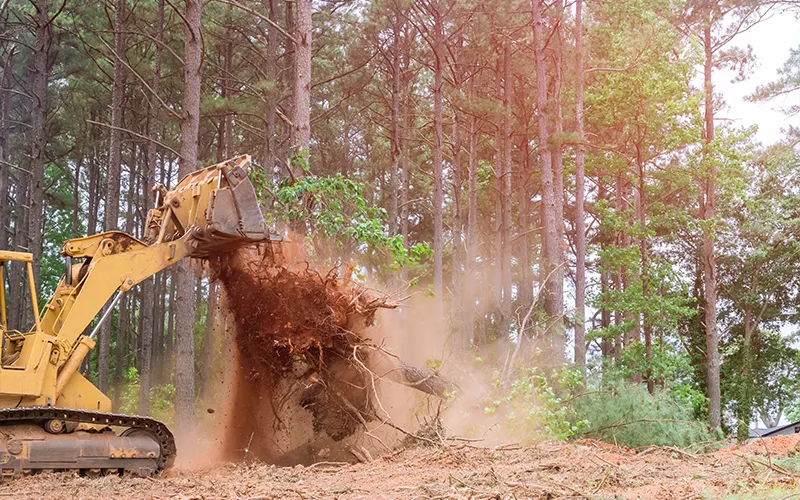
Stumps and roots can cause uneven ground and interfere with construction plans. Leaving them behind can lead to settling and future surface problems. Proper removal supports stable foundations and smoother grading. Clearing the full root zone improves long-term land use.
How do lot clearing practices support accurate project planning and layout?
Clearing creates open space for measuring, marking boundaries, and setting construction lines. It improves visibility so layouts match design plans correctly. Accurate layout prevents costly mistakes later. Many projects combine clearing with Blueprint Design for organized development.
Can lot clearing practices prepare land for concrete installation?
Yes, clearing is often the first step before installing pads, driveways, or walkways. Removing vegetation and debris helps ensure the base is stable and level. Proper preparation reduces cracking and shifting over time. Many owners schedule Concrete Services once clearing is complete.
What role do permits play in lot clearing projects in Terrell?
Some clearing projects may require permits depending on land use and local regulations. Permits may apply to grading, large tree removal, or development planning. Handling permits early prevents delays and compliance issues. Many owners include Building Permits support to keep projects moving smoothly.
Why should property owners hire professionals instead of doing clearing alone?
Professional crews have the right equipment, safety training, and experience for efficient results. DIY clearing can lead to injury, incomplete work, or hidden site problems later. Professionals ensure the lot is fully prepared for the next step. Expert clearing saves time and prevents costly mistakes.
Final Thought
Professional lot clearing practices in Terrell, TX help property owners prepare land safely, efficiently, and correctly for future development. Proper clearing improves access, reduces hazards, and supports better drainage and long-term land stability. With experienced crews and the right equipment, lots can be transformed into clean, build-ready spaces with fewer delays. Investing in professional clearing practices creates a stronger foundation for successful property improvements and long-term value.
How long does a lot clearing project usually take?
Most jobs take one to several days depending on lot size and vegetation density. Larger or wooded lots may take longer.
Does lot clearing include debris removal and hauling?
Many services include hauling and disposal. This leaves the site cleaner and ready for the next phase.
Can lot clearing remove trees and stumps?
Yes, clearing often includes removing trees and stumps when needed. Larger removals may require specialized equipment.
Do I need approval before clearing my lot?
Some projects require permits depending on local rules. It is best to confirm requirements before starting.
Is lot clearing necessary before building begins?
Yes, clearing helps ensure safe access and accurate planning. It also supports grading and foundation stability.
Email: [email protected]
Phone: +1 469-445-8977
Address: 315 South Cockrell Hill Road, Duncanville, Texas 75116